
Abogado Antonio Tejeda Encinas CEO Meta Channel Corp . Presidente Comite Euro Americano Digital Law
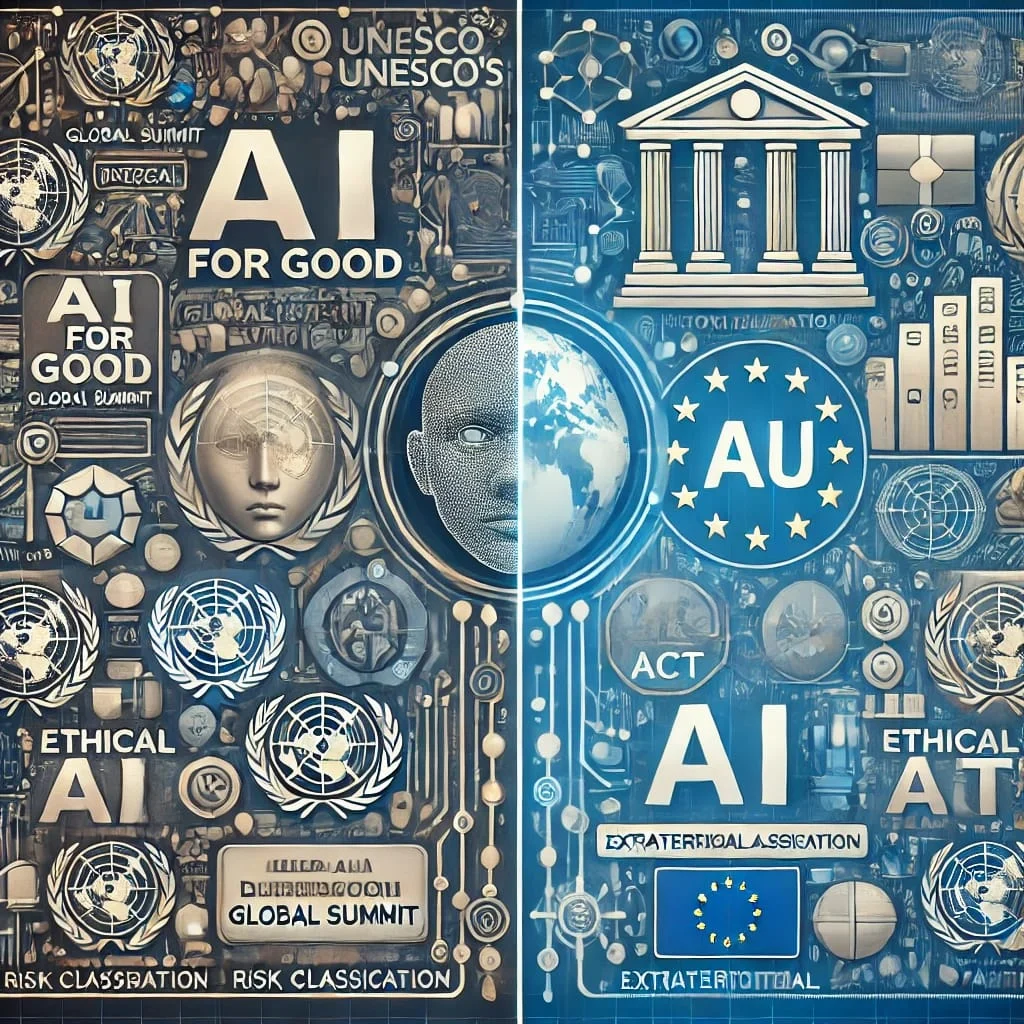
Comparative Analysis: Regulation of Deepfakes and Manipulated Content at the UN and in the European Union
Documentos y Normativas de la ONU:
La ONU ha abordado la problemática de los deepfakes y la desinformación a través de varios documentos y recomendaciones, destacando el Informe del AI for Good Global Summit de 2024 y la Recomendación sobre la Ética de la Inteligencia Artificial de la UNESCO, adoptada en 2021 y actualizada en septiembre de 2024. La Recomendación de la UNESCO es el primer marco ético global aplicable a sus 194 estados miembros, centrándose en la transparencia y la protección de los derechos humanos frente a contenidos manipulados y deepfakes.
Adicionalmente, la ONU ha publicado las Guías para la Gobernanza de Plataformas Digitales, con un enfoque específico en la moderación de contenido y la protección de la libertad de expresión. Estas guías buscan establecer estándares sobre cómo regular la información manipulada, evitar el daño a la sociedad y garantizar que las plataformas digitales operen de manera transparente y responsable.
En un ámbito más técnico, la Unión Internacional de Telecomunicaciones (ITU) ha lanzado el documento “AI Watermarking: A Watershed for Multimedia Authenticity”, que establece estándares para el uso de watermarking y tecnologías de detección de deepfakes. Este informe, presentado en mayo de 2024, propone soluciones técnicas que permitan rastrear la procedencia del contenido generado por IA y mitigar los riesgos de desinformación.
Enfoque de la Unión Europea: AI Act y Código de Prácticas:
La Unión Europea ha optado por un enfoque normativo más estructurado con el Reglamento de Inteligencia Artificial (AI Act), que entró en vigor en agosto de 2024. Este reglamento se centra en clasificar los sistemas de IA en función de su riesgo y establece obligaciones específicas para contenidos manipulados y deepfakes. Las aplicaciones de IA que generan deepfakes se clasifican como de alto riesgo, obligando a los proveedores a incluir etiquetas claras de procedencia y garantizar la transparencia de los sistemas.
El AI Act también prohíbe directamente ciertos usos, como los deepfakes utilizados para manipulación política o social, considerando estos como “riesgos inaceptables” que no pueden ser permitidos dentro del territorio de la UE. La legislación se complementará en abril de 2025 con el Código de Prácticas para Proveedores de Modelos Generativos de IA (GPAI), que proporcionará directrices éticas y técnicas para la creación de estos modelos, aunque su adopción será voluntaria.
Carácter Extraterritorial del AI Act:
Aunque el AI Act se aplica directamente a los estados miembros de la UE, su carácter extraterritorial tiene implicaciones globales. Cualquier empresa fuera de la UE que quiera operar en el mercado europeo o procesar datos de ciudadanos europeos debe cumplir con estas normativas. Esto significa que empresas en Latinoamérica, EE. UU., y Asia deberán adaptarse a estos estándares si desean ofrecer servicios en Europa. Este enfoque crea un efecto dominó, influyendo en la forma en que otras regiones y países desarrollen sus propias regulaciones de IA.
Otros Proyectos Internacionales:
A nivel internacional, se están llevando a cabo otros esfuerzos de gobernanza global, como el desarrollo del Tratado de Cibercrimen por parte de la ONU, que busca crear un marco legal para combatir el cibercrimen y proteger a las sociedades del uso malintencionado de deepfakes. Aunque el proceso ha sido controvertido y enfrenta críticas por la falta de consenso, representa un esfuerzo por consolidar un acuerdo global vinculante.
Un Futuro de Normas Integradas:
El enfoque de la ONU se basa en la cooperación global y la creación de estándares técnicos y éticos aplicables a todos sus miembros, abarcando desde la ética y la gobernanza digital hasta la detección técnica de deepfakes. La Unión Europea, por su parte, implementa un marco regulatorio más específico y obligatorio con su AI Act, lo que le permite actuar rápidamente dentro de su territorio y establecer precedentes globales.
Si bien la UE se centra en la implementación inmediata y la protección de derechos fundamentales, la ONU ofrece una perspectiva más holística y adaptable a diferentes contextos. En última instancia, la cooperación entre ambos marcos será fundamental para establecer un estándar global que proteja a las sociedades frente a los riesgos de los deepfakes y otros usos malintencionados de la IA generativa.