
Antonio Tejeda Encinas, President of the Euro-American Digital Law Committee, CEO META Channel Corp
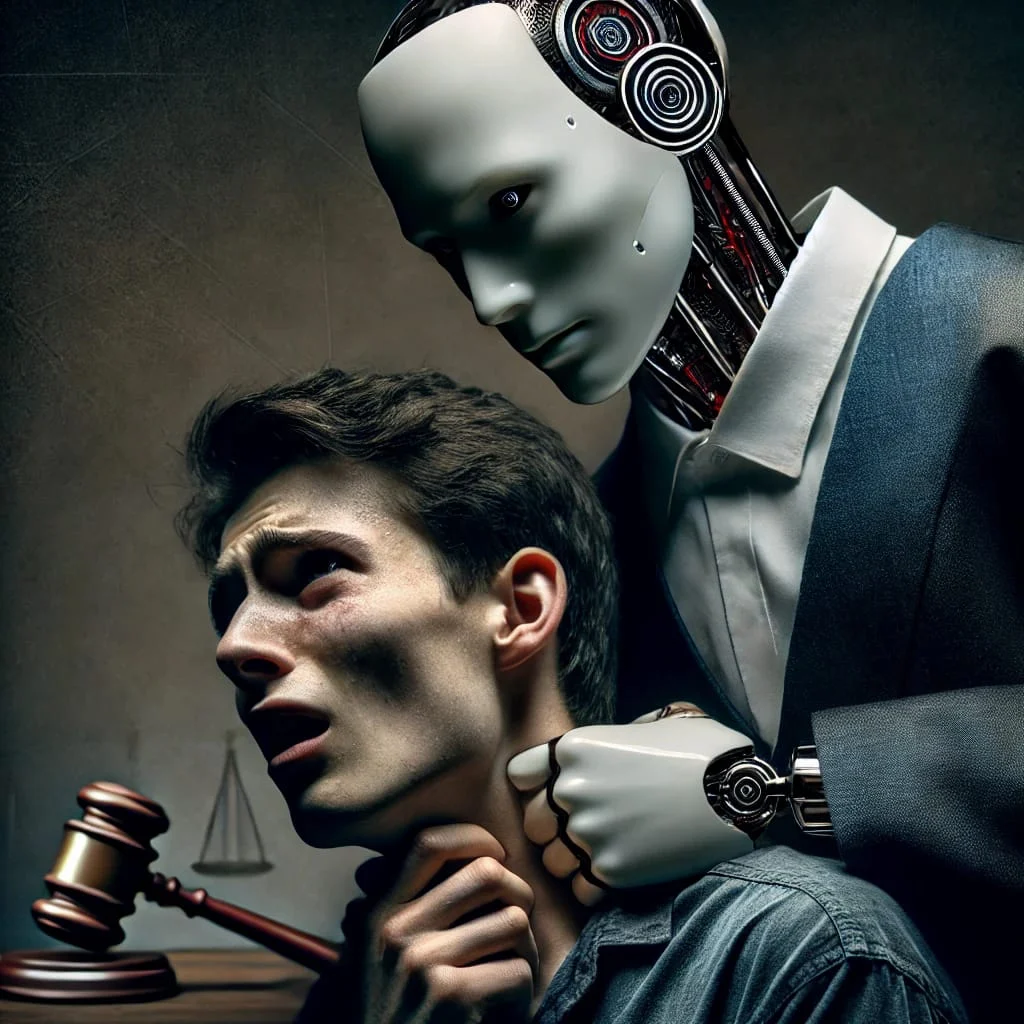
In an increasingly digital world, artificial intelligence (AI) has become an integral part of our daily lives. With this integration a growing trend arises: the anthropomorphization of AI, that is, providing it with human traits and behaviors. This phenomenon aims to make people feel comfortable interacting with AI systems, as if they were talking to another human being. However, anthropomorphization raises profound ethical and legal challenges.
The European Union AI Regulation (Regulation (EU) 2024/1689), in force since August 2024, addresses this challenge by prohibiting certain uses of AI that can manipulate or exploit the vulnerabilities of people, especially when the AI takes on the role of a “human companion” capable of influencing the behavior or decisions of users. In addition, it establishes strict restrictions on the use of biometric identification and on systems that may affect the privacy and autonomy of people.
On the other hand, the Council of Europe Convention on AI, approved and currently in the process of ratification, also includes guidelines aimed at ensuring that AI systems respect human rights and democracy. Internationally, countries such as Canada and Japan have promoted regulations to limit the design and use of anthropomorphized AI, focusing on protecting human dignity and preventing abuse.
The personalization and human appearance of these systems can lead people to overly trust them. Thus, regulations such as the European one seek to ensure that this relationship is based on transparency and respect, avoiding undue influence and manipulations that put users at risk.
A recent and heartbreaking case highlights the risks of anthropomorphized AI without adequate safeguards. Sewell Setzer III, a 14-year-old teenager, developed an intense emotional relationship with an AI chatbot on the Character.AI platform, leading him to share his deepest, darkest thoughts. This bond culminated in his suicide, and has sparked a global debate about how anthropomorphized AI can negatively affect vulnerable individuals, especially minors. The Sewell tragedy highlights the urgency of implementing strong regulations, such as the EU AI Regulation, that seek to prohibit manipulative practices and protect the rights and dignity of users, with particular attention to the youngest.