
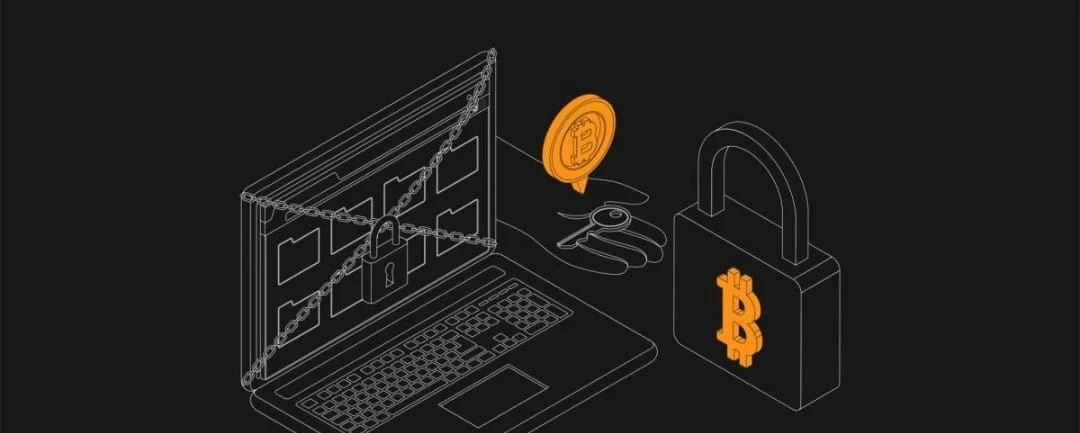
Undoubtedly, BLOCKCHAIN technology has gained relevance in the BANKING FIELD…
Antonio Tejeda Encinas, president of the Euro-American Digital Law Committee
…due to its agility and ability to safeguard data integrity. In Spain, a worrying 21% of financial customers have suffered hacking or identity theft attempts to access their accounts, highlighting the need to address security challenges plaguing traditional financial institutions, such as lack of transparency and data centralization. In contrast, blockchain operates with a decentralized structure in which transactions are recorded in linked blocks and distributed globally. Each block contains encrypted data and references the previous one, establishing an unalterable chain of information. Some of the key benefits of implementing blockchain to combat bank fraud include:
– Highly secure transactions: With blockchain, each transaction is recorded on an immutable and transparent blockchain, reducing the possibility of data manipulation or fraudulent activities.
– Prevention of accounting errors: Companies can use blockchain to share financial information in real time, minimizing errors and confusion in records by providing access to the same up-to-date information, which improves accounting accuracy.
– Detection of suspicious activities: The transparency inherent in blockchain simplifies surveillance and discovery of unusual or fraudulent transactions, as the technology can automatically alert suspicious behavior.
– Interinstitutional collaboration: Blockchain facilitates the creation of alliances between various financial institutions and brands, enabling a network of synergies that drives progress in the financial sector.
To conclude, the adoption of blockchain technology represents a significant advance in the protection of financial data and the prevention of banking fraud. Its ability to offer transparency, security and collaboration between financial institutions promises a safer and more efficient future for customers and financial institutions. As more banks recognize the benefits of this innovation, we are likely to see an increase in the implementation of blockchain-based solutions to ensure data integrity and customer peace of mind in the financial sector.